

Materials Explained
Resin vs Porcelain: Which Surface Is Right for You?
This is rarely an either/or. Resin belongs where vehicles go; porcelain belongs where people sit. The interesting question is how the two meet.
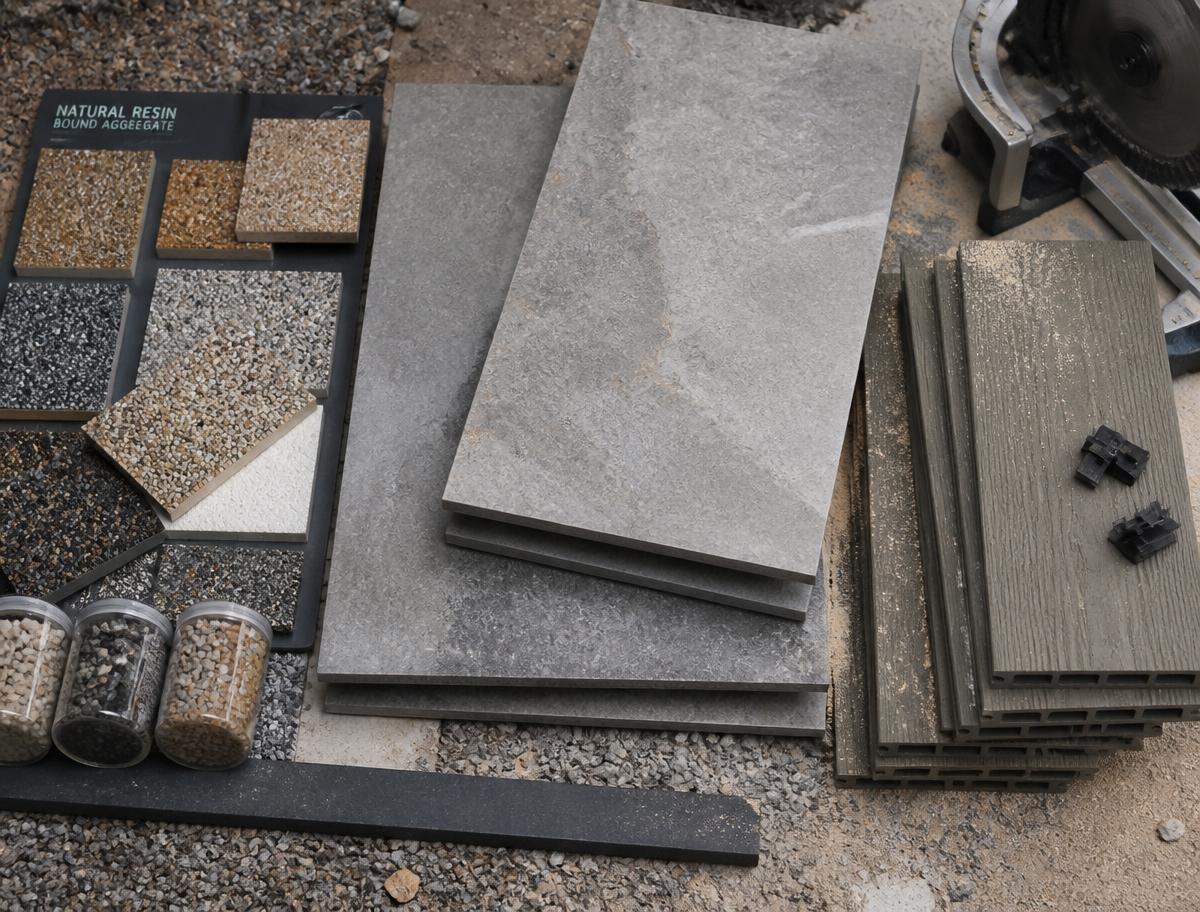
The short answer
Resin bound is a poured, seamless, permeable surface. It flexes slightly, drains through itself and handles vehicle loads beautifully across a large area.
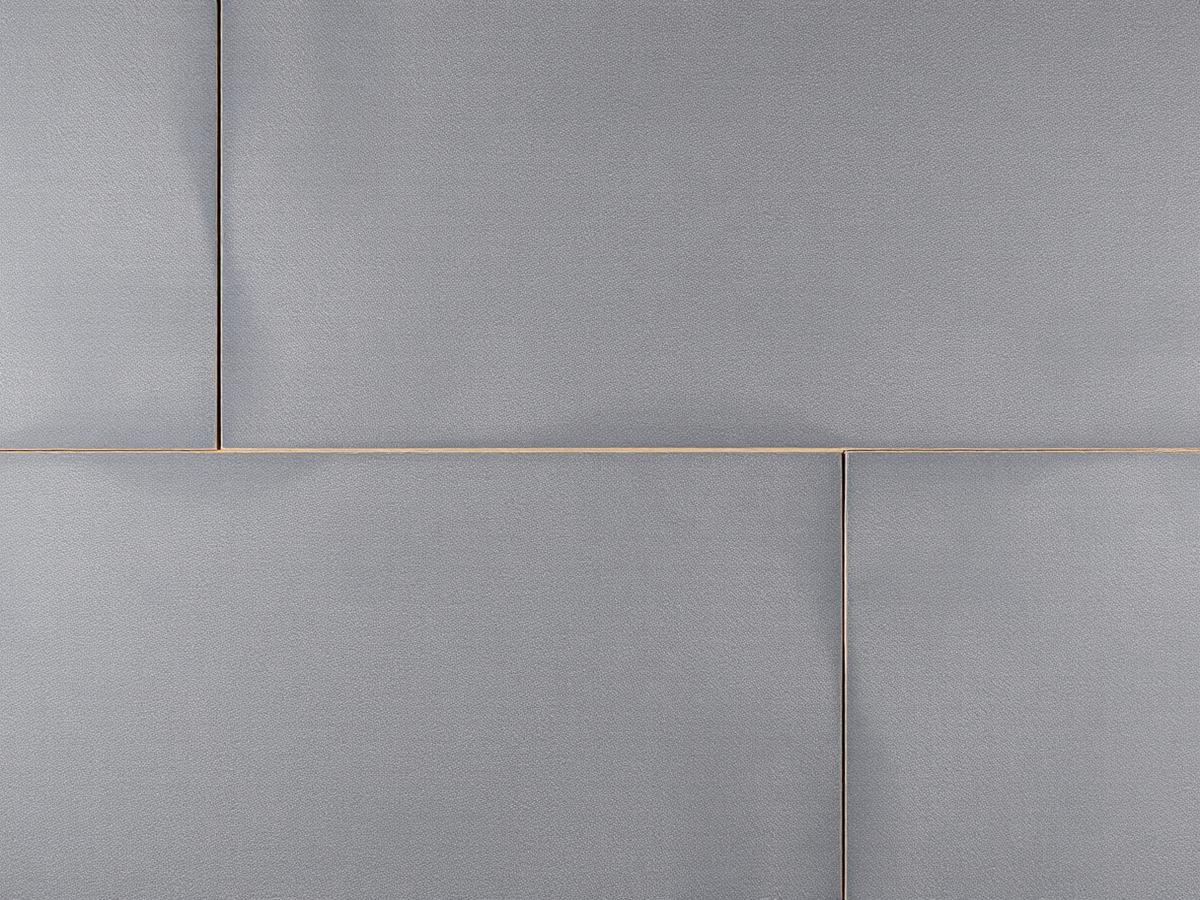
Porcelain is a fired, dimensionally precise slab. It is dense, effectively non-porous, colour-stable and reads as an architectural floor rather than a paving product.
Where each performs
For driveways, turning circles and long approaches, resin wins on cost, drainage and the absence of joints. For terraces, thresholds and anywhere adjoining large glazing, porcelain wins on precision and on how clean it stays underfoot.
- Vehicles and large areas — resin bound
- Terraces, dining areas, level thresholds — porcelain
- Wet, shaded, tree-lined plots — porcelain (nothing to stain)
- Permeable surface required — resin bound
Using them together
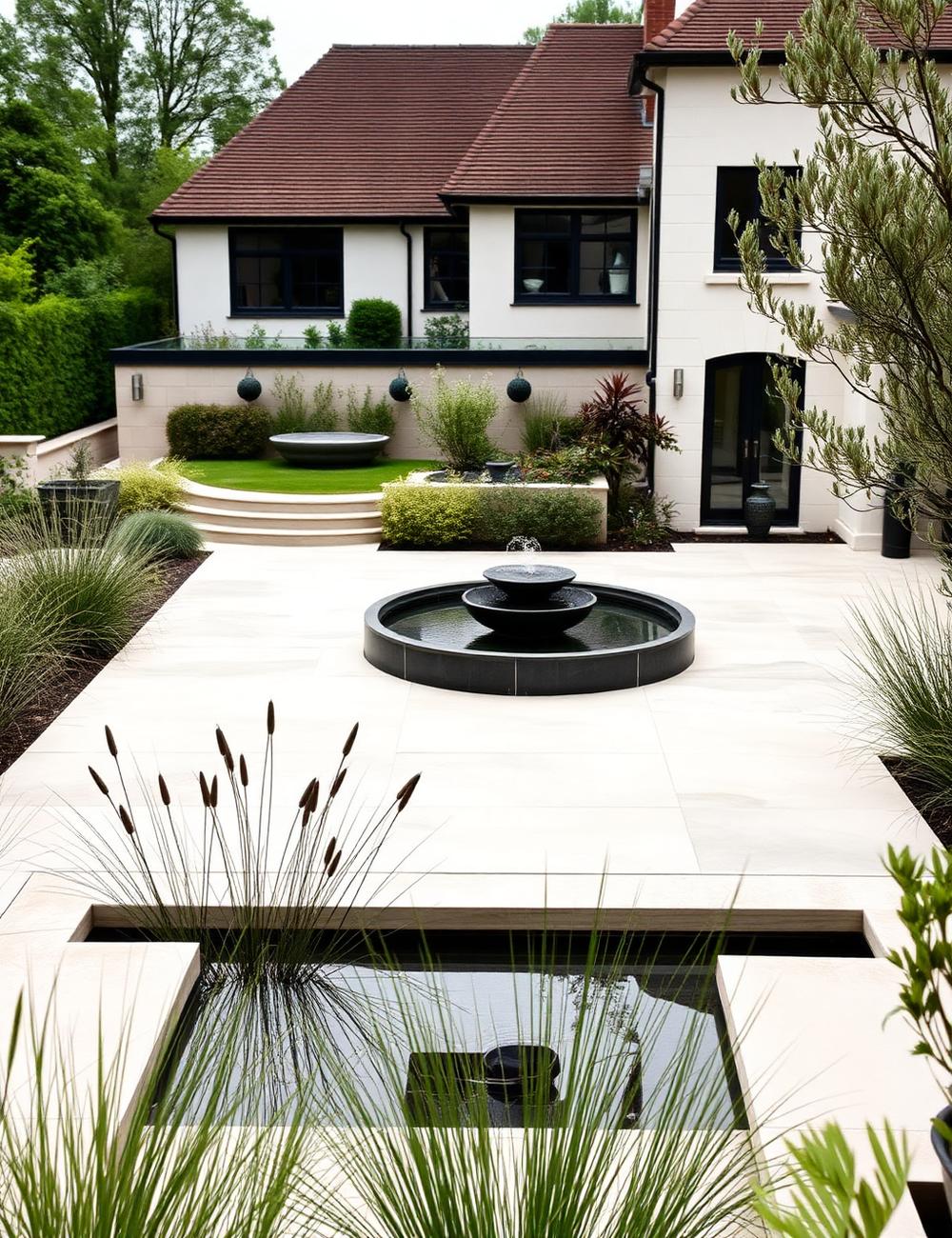
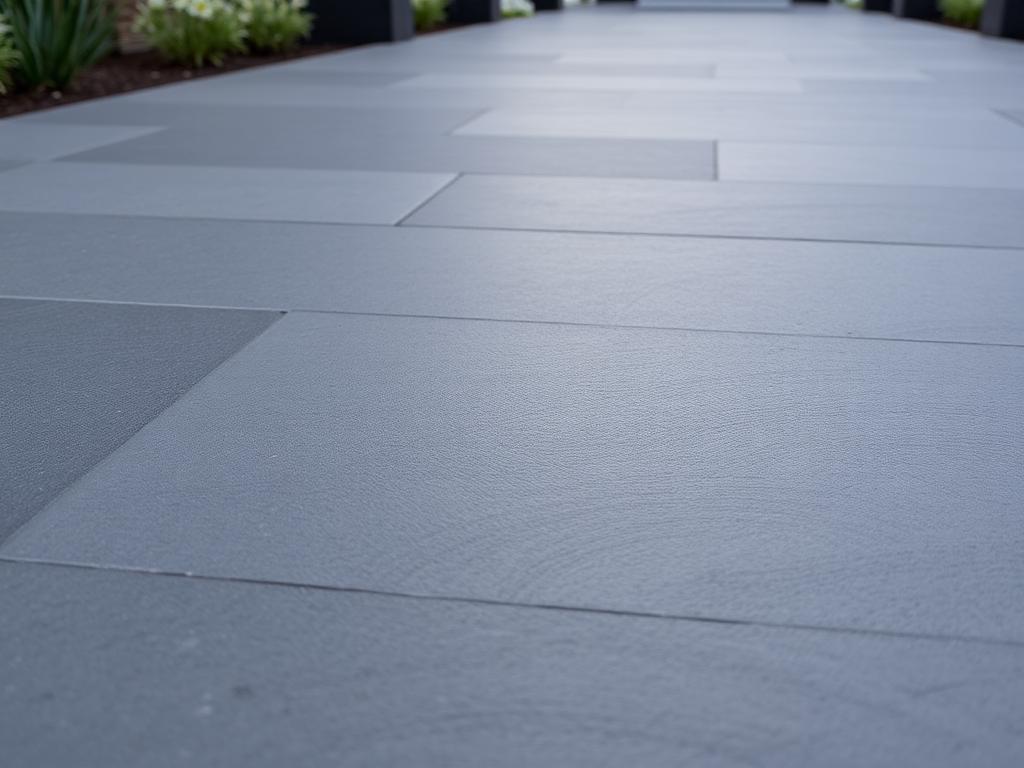
The most considered Cumbrian projects use both: resin from the gate to the house, porcelain from the house into the garden, with a shared tonal family so the two never argue. A charcoal resin with a warm stone porcelain is the pairing we specify most.
Cost comparison
Per square metre, porcelain is the more expensive surface once laying is included, because every slab is set individually on a full mortar bed with a primed back. Resin covers ground faster. That is why a large driveway in porcelain is rarely the right use of a budget.
Common questions
Ready to talk it through in person?
We will walk your garden, take levels and talk honestly about what will work — no pressure, no sales pitch.
Prefer to browse first?Request our complimentary brochure